Wood vs Metal Ballet Barres: Which Material Is Better?
When choosing a wall-mounted ballet barre, one of the most important decisions you'll make is selecting the material. At PrimaBarre, we offer both hardwood barres and metal barres, each with distinct characteristics that affect feel, durability, and performance.
This guide compares wood and metal barres to help you understand which material best suits your practice style, space, and long-term goals. Both options are made in the USA with professional-grade quality, but they offer different experiences during use.
Understanding the Two Materials
Hardwood Ballet Barres
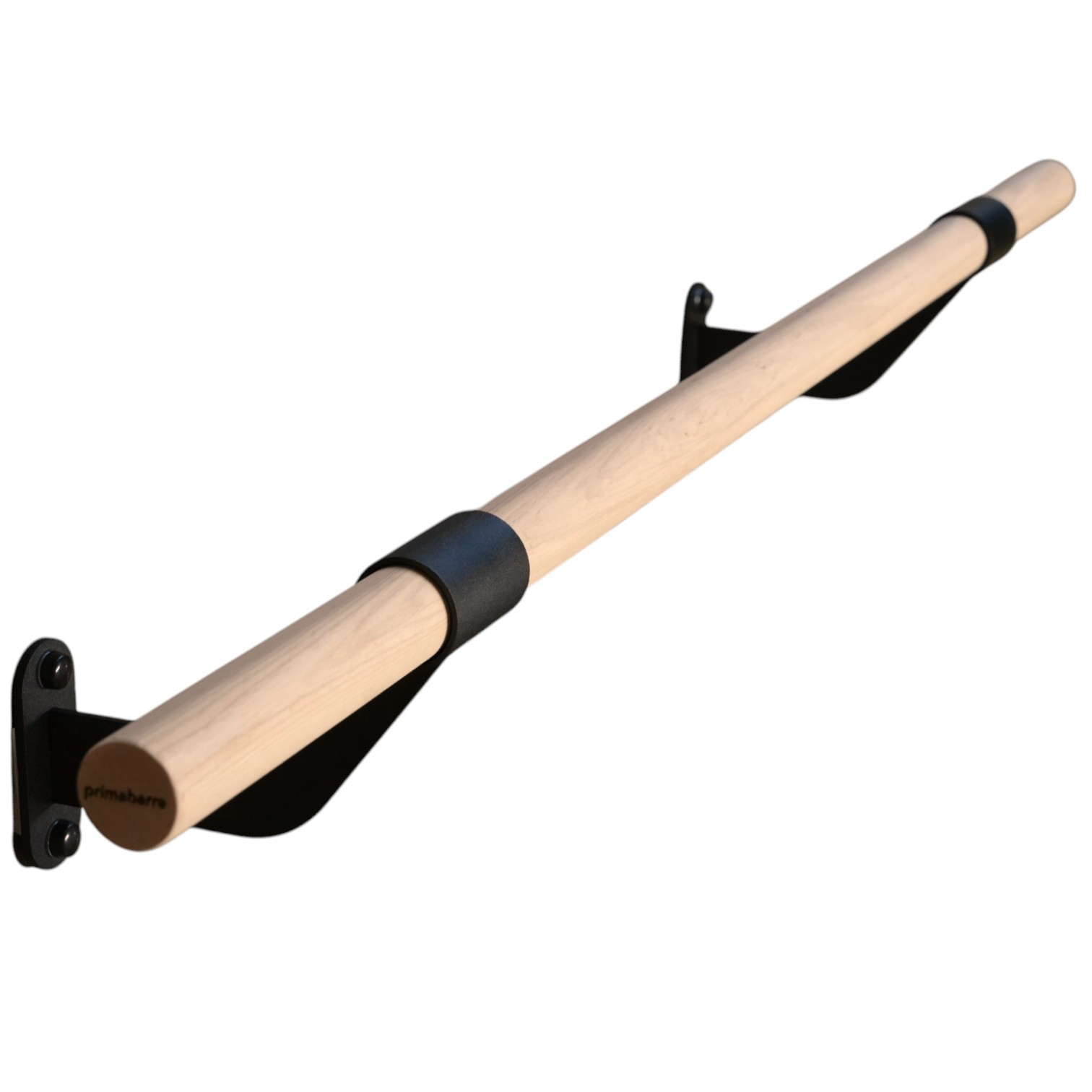
Hardwood barres are the traditional choice found in most professional dance studios. They offer a warm, natural feel that many dancers prefer for its familiarity and comfort.
- Classic, traditional studio feel
- Warm, natural texture
- Excellent grip in all conditions
- Natural appearance that complements most spaces
- Sustainably sourced from managed New England forests
Metal Ballet Barres
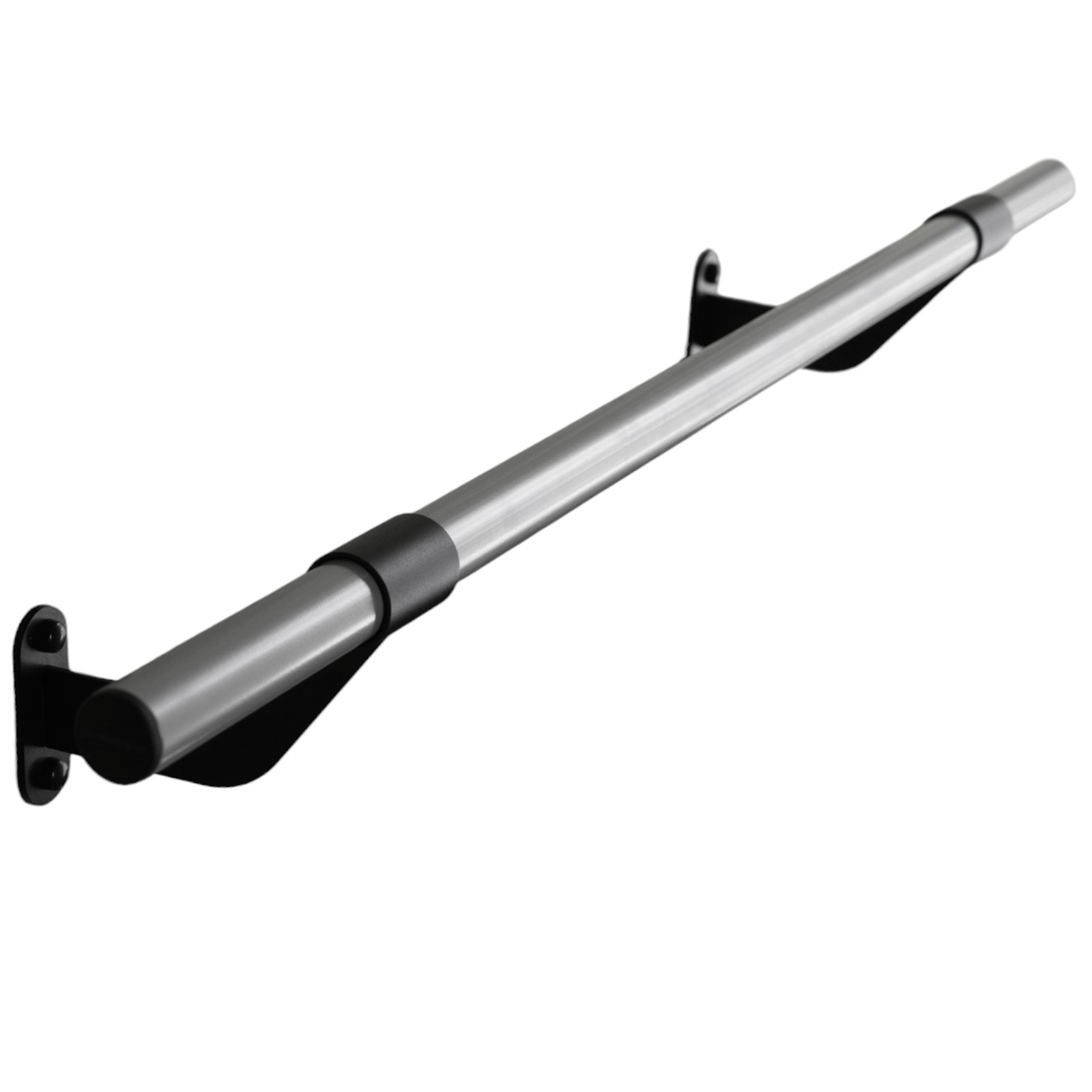
Metal barres offer a modern, sleek alternative with exceptional durability. PrimaBarre's metal barres are crafted from high-quality aluminum and feature a premium powder-coated finish that provides a smooth, consistent surface. This finish resists wear and maintains its appearance over time, while the aluminum construction ensures exceptional strength and longevity.
- Modern, sleek appearance
- Exceptional durability and strength
- Consistent, smooth finish
- Low maintenance and easy to clean
Feel and Grip During Practice
The material of your barre significantly affects how it feels during practice, especially during exercises that require a secure grip.
Hardwood barres provide a warm, natural texture that many dancers find comfortable. The wood surface offers excellent grip, even when hands are slightly sweaty, which can be important during intense practice sessions. Many professional dancers prefer the familiar feel of wood, as it matches what they're accustomed to in studio settings.
Metal barres offer a smooth, consistent surface that feels modern and clean. At PrimaBarre we use a nice powder-coated finish on our aluminum barres, designed to be durable while still looking good for a long time. Some dancers may appreciate the cool, smooth feel of metal, especially in warmer practice environments.
Durability and Longevity
Both materials are built to last, but they have different characteristics when it comes to durability and maintenance.
Hardwood barres are crafted from premium hardwoods that are naturally durable. With proper care, they can last for decades. Wood may develop a patina over time, which many dancers appreciate as it adds character. Regular cleaning and occasional refinishing can keep wood barres looking and feeling great for years.
Metal barres are exceptionally durable and resistant to wear, moisture, and temperature changes. PrimaBarre's aluminum construction combined with the powder-coated finish provides a protective layer that resists chipping, scratching, and fading. Metal barres require minimal maintenance and are particularly well-suited for high-traffic environments or spaces with varying humidity levels.
Appearance and Aesthetic
The visual appearance of your barre can be an important consideration, especially if it's installed in a visible part of your home.
Hardwood barres offer a classic, natural aesthetic that complements traditional and contemporary spaces alike. The warm tones and natural grain of wood can add warmth to a practice space. Wood barres blend seamlessly into most home environments and maintain a timeless appeal.
Metal barres provide a modern, sleek look that works well in contemporary spaces. The consistent powder-coated finish and clean lines offer a minimalist aesthetic. Metal barres can complement modern home decor styles with their sleek appearance.
Maintenance and Care
Understanding the maintenance requirements can help you choose the material that fits your lifestyle.
Hardwood barres benefit from regular cleaning with a soft, slightly damp cloth. Occasional application of wood conditioner can help maintain the finish and prevent drying. Wood may require refinishing over many years of use, but with proper care, this is typically needed only after extensive use.
Metal barres are very low maintenance. They can be cleaned easily with a damp cloth and mild cleaner. The powder-coated finish resists stains and is easy to keep looking new with minimal effort.
Who Each Material Is Best For
Choose a hardwood barre if you:
- Prefer the traditional, classic feel of a studio barre
- Want a warm, natural texture
- Appreciate the aesthetic of natural wood
- Are comfortable with periodic maintenance
- Want the most traditional dance studio experience
Choose a metal barre if you:
- Prefer a modern, sleek appearance
- Want maximum durability with minimal maintenance
- Practice in environments with varying humidity
- Want a consistent, smooth finish
- Prefer low-maintenance solutions
Final Thoughts
Both hardwood and metal barres offer excellent quality and performance. The right choice depends on your personal preferences for feel, appearance, and maintenance requirements.
If you value the traditional, warm feel of a classic studio barre, a hardwood barre may be the best choice. If you prefer modern aesthetics and minimal maintenance, a metal barre offers exceptional durability and a sleek appearance.
At PrimaBarre, we're committed to providing the highest quality barres in both materials. All our products are made in the USA with professional-grade craftsmanship, ensuring that whichever material you choose, you'll have a barre that supports your practice for years to come.
Why Choose PrimaBarre?
PrimaBarre is committed to creating the world's best barres for dance and fitness. Our products are:
- Made in the USA with premium materials, including sustainably sourced New England hardwood
- Designed with feedback from professional dancers and instructors
- Built to last with a 10-year warranty
- Available in multiple sizes and configurations
- Backed by dedicated customer support
Ready to Choose Your Barre?
Explore our full selection of professional-grade ballet barres, all made in the USA with free shipping.